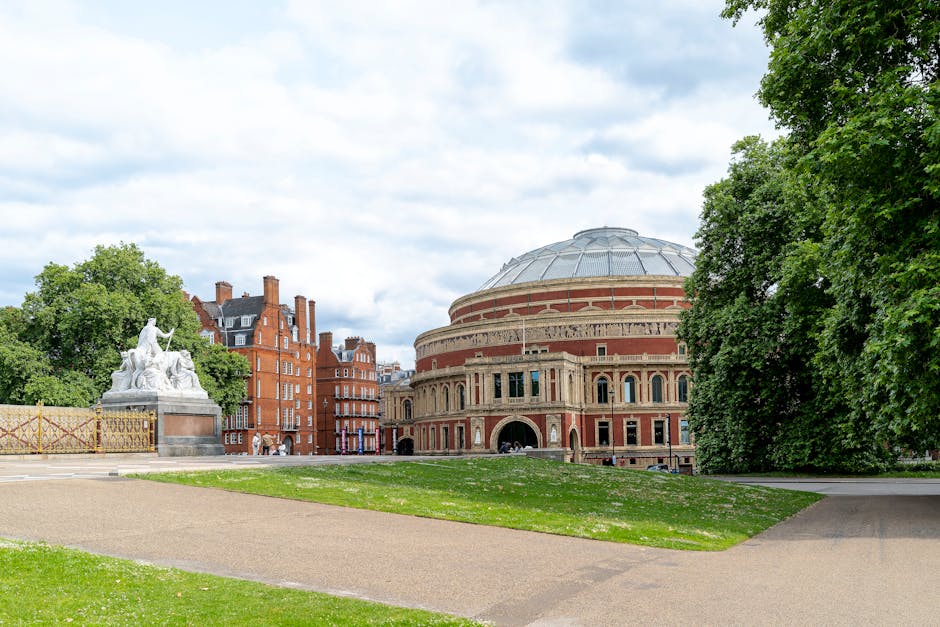
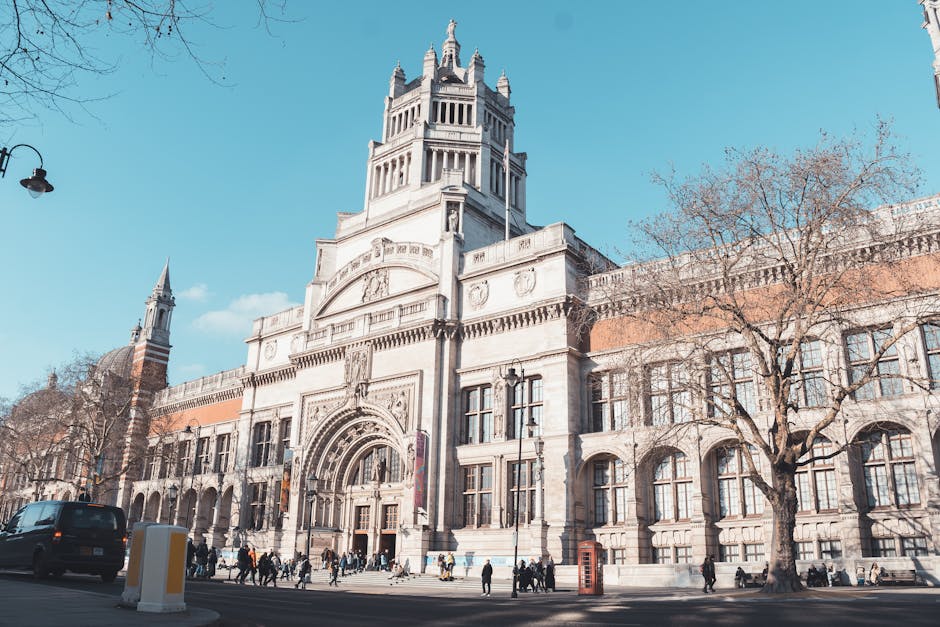
Victoria and Albert Museum area removals for antiques: a practical guide for safe, careful moving in South Kensington
If you are arranging Victoria and Albert Museum area removals for antiques, you are probably not just moving furniture. You are moving value, history, and a fair bit of worry too. A chipped cabinet, a scratched mirror frame, or a poorly loaded crate can turn a simple move into an expensive headache. In a part of London where period homes, gallery spaces, collectors, and design-minded interiors are all part of the picture, antique removals need a steadier hand and a more thoughtful plan.
This guide breaks down how antique removals work around the Victoria and Albert Museum area, what really matters on moving day, and how to reduce the risk of damage. It also explains when to use specialist help, how to prepare fragile pieces, and which local moving services can make life easier. Truth be told, the difference between a smooth move and a stressful one is often in the details.
For broader local moving support, you may also find our South Kensington removals service useful, especially if your antique move is part of a bigger house relocation or an interconnecting move across SW7.
Table of Contents
- Why Victoria and Albert Museum area removals for antiques Matters
- How Victoria and Albert Museum area removals for antiques Works
- Key Benefits and Practical Advantages
- Who This Is For and When It Makes Sense
- Step-by-Step Guidance
- Expert Tips for Better Results
- Common Mistakes to Avoid
- Tools, Resources and Recommendations
- Law, Compliance, Standards, or Best Practice
- Options, Methods, or Comparison Table
- Case Study or Real-World Example
- Practical Checklist
- Conclusion
- Frequently Asked Questions
Why Victoria and Albert Museum area removals for antiques Matters
Antiques are not ordinary household items. They can be structurally delicate, financially significant, and sometimes awkwardly shaped. That matters even more in the Victoria and Albert Museum area, where properties often include stairs, narrow hallways, compact lifts, and tight street access. A Victorian chest of drawers may look solid enough to survive anything. It usually does not.
The area itself also adds a layer of planning. South Kensington roads can be busy, loading windows can be awkward, and parking is rarely a casual afterthought. If a mover has to carry a heavy armoire half a block because the van can't get close enough, the risk goes up fast. Not just for the piece, but for door frames, floors, and the people lifting it.
There is also the matter of presentation and provenance. Collectors, dealers, interior designers, and private owners often want antiques moved with the same care they would expect from a specialist gallery or showroom. That means clean blankets, proper wrapping, secure stacking, and clear handling instructions. No rough guessing. No "it'll be fine."
Expert summary: Antique removals near the Victoria and Albert Museum are about controlling risk at every stage: access, packing, loading, transport, and placement. The more fragile or valuable the item, the more important that chain of care becomes.
And yes, sometimes the move is part of a bigger life moment: a downsizing, a renovation, a probate clearance, or a new collection arriving in a Kensington home. In those situations, a dependable local team can save a lot of tension. If your move includes household goods as well as antique pieces, house removals in South Kensington may be the right starting point.
How Victoria and Albert Museum area removals for antiques Works
Good antique removals usually follow a calm, methodical process. It should feel measured, not rushed. You begin with an assessment, then prepare the piece, then plan how it leaves the property and where it will travel. Simple in theory. A bit fiddly in practice.
1. Initial assessment
The mover should first understand what is being moved: size, weight, finish, age, condition, and any obvious weak points. This is where you flag things like loose veneers, old repairs, mirror glass, marble tops, or wobbly legs. If something is already delicate, it needs a different approach from a robust but heavy piece.
2. Access check
Access matters almost as much as the item itself. Are there stairs? Is there a lift? How narrow are the turns? Can the van park close by? In South Kensington, the answer to that last one often decides how the rest of the move will unfold. A short carry is always preferable. Always.
3. Protective packing
Antiques should be wrapped according to their material and fragility. Wooden furniture may need blankets, corner protection, and stretch wrap used carefully so the finish is not damaged. Glass pieces need extra separation and cushioning. Upholstered antiques, meanwhile, benefit from breathable protection so they are not trapped in damp wrapping for too long. Nobody wants mildew on a chair that has survived a century and a half.
4. Safe loading
Loading is where many problems begin if the team is casual. Heavy items should be secured so they cannot shift. Fragile pieces should not be trapped under bulkier boxes. The van should be organised before the first item goes in, not once everything is already halfway stacked. That sounds obvious, but you would be surprised how often it is not done.
5. Transport and delivery
The journey itself should be smooth, with careful driving and no unnecessary bouncing. On arrival, items should be unloaded in a sensible order, checked for damage, and placed exactly where needed if access allows. A small, steady move often works better than a heroic all-in-one lift. Lesser drama, better outcome.
If your antiques are part of a studio, gallery, office, or design workspace, it may be worth looking at office removals in South Kensington too, especially where stock, display pieces, or archive furniture need careful handling alongside general contents.
Key Benefits and Practical Advantages
Using a careful, locally informed removal approach for antiques brings benefits that go beyond "nothing broke." That is the obvious one, of course. But there is more to it than that.
- Less handling stress: A good plan means fewer unnecessary lifts, fewer transfers, and fewer chances to nick a finish.
- Better protection for valuable items: Correct wrapping and loading help preserve both appearance and structural integrity.
- Reduced property damage: Doorways, banisters, floors, and walls are all safer when the team knows what they're doing.
- More predictable timing: Proper access planning reduces delays, parking issues, and last-minute reshuffling.
- Cleaner presentation: This matters for dealers, designers, and private clients who want items to arrive ready to use or display.
- Peace of mind: Perhaps underrated, but very real. You can actually exhale a bit.
There is also a practical advantage when the mover knows the local area. Short travel times, familiar street layouts, and a sense of how central London access tends to work can make the whole job less messy. If you need a smaller, flexible vehicle for one or two special pieces, a man with a van in South Kensington can be a sensible fit for compact antique moves.
For larger, mixed loads, a more structured team may be better. In that case, a removal services option in South Kensington gives you room to scale up without losing care.
Who This Is For and When It Makes Sense
Antique removals around the Victoria and Albert Museum area are not just for dealers with a warehouse full of stock. They suit a range of real-world situations.
Private homeowners
If you own inherited furniture, antique mirrors, artwork, or period dining sets, a standard moving team may be enough only if they truly understand fragile handling. If not, specialist care is safer. This is especially true when moving from a townhouse or flat with awkward access.
Collectors
Collectors usually need repeatable, reliable handling, not improvisation. If you're moving several pieces, or combining storage with transport, planning becomes essential. One cabinet might survive a casual approach. A full collection probably will not.
Interior designers and decorators
Design projects often involve antiques as focal pieces. Delivery windows, placement, and condition checks matter because one delay can hold up an entire room install. In our experience, designers appreciate a mover who understands that the sofa is not the only thing with value.
Dealers and showroom operators
Dealers often need careful movement between storage, clients, fairs, and private addresses. That can mean frequent short trips, flexible scheduling, and a van that is ready for mixed loads. If your stock needs to sit safely between locations, storage in South Kensington may be a useful part of the plan.
People renovating or downsizing
When a home is being renovated, antiques may need to be moved out temporarily to protect them from dust, vibration, or accidental knocks. Same with downsizing: you may want one or two heirloom pieces to travel with you, while everything else is stored or sold. A tidy plan saves a lot of back-and-forth.
Step-by-Step Guidance
If you want the move to go well, don't just book a van and hope. A better result usually comes from steady preparation. Not glamorous, but effective.
- List every antique item. Write down what it is, what it's made of, approximate size, and anything fragile or unusual.
- Photograph the condition. Take clear pictures before the move. Useful for your own records and for any damage check later.
- Measure access routes. Check doors, stair bends, lift dimensions, and any tight corners. The item is only half the equation.
- Decide what needs specialist packing. Glass, marble, ornate wood, inlaid furniture, and antiques with loose parts usually deserve extra care.
- Confirm parking and timing. Central London access can be the difference between a clean move and an irritating one.
- Prepare the property. Clear hallways, protect floors if needed, and keep pets and children away from the working path.
- Label destination rooms. It sounds basic, but it stops confusion when pieces are delivered.
- Inspect on arrival. Check every item before signing off. A calm, quick review helps catch issues early.
If the move involves packed boxes, archive materials, or mixed household contents, proper wrapping supplies make a genuine difference. The right materials help prevent scuffs, pressure marks, and wobble during transit. You can see how that fits into a wider move by looking at packing and boxes in South Kensington.
Expert Tips for Better Results
Here are the little things that tend to make a noticeable difference. Not dramatic. Just smart.
- Separate fragile parts before moving: Remove shelves, detachable legs, loose mirrors, and drawers where appropriate.
- Use padding at contact points: Corners, handles, carved edges, and feet often need the most protection.
- Don't over-wrap finishes: Some wraps can trap moisture or mark polished surfaces if used carelessly.
- Keep heavy pieces low in the van: Stability matters more than speed.
- Move antiques before the day gets chaotic: Early slots are often calmer, with fewer interruptions.
- Ask who will actually handle the item: Experience on paper is useful; real handling experience is better.
Another point that gets missed: if an antique has sentimental value, say so. A mover is still a mover, not a mind reader. But knowing that a piece is irreplaceable changes the level of caution everyone brings to it. Small thing, big difference.
For clients moving into the area or leaving it after a property change, local context helps as well. If you are still figuring out the neighbourhood and wider area dynamics, local Kensington residency advice and tips can give you a useful sense of the practical side of living here.
Common Mistakes to Avoid
Most antique move problems are preventable. That is the annoying part. They are also, thankfully, very avoidable if you slow down a little.
- Assuming all removals are the same: A dining table and a 19th-century cabinet do not deserve the same treatment.
- Underestimating access: One narrow stairwell can completely change the job.
- Using the wrong packing material: Thin blankets or random cardboard scraps are not enough for valuable pieces.
- Forgetting about humidity and dust: Especially during storage or renovation moves.
- Not documenting condition: If there is a dispute later, memory alone is a poor record.
- Leaving everything to the last minute: Rushed antique moves are where chips, scratches, and stress tend to multiply.
There is also a subtle mistake people make: treating a specialist-looking object as though it must be specialist-hardened. It often isn't. Old wood can be surprisingly vulnerable. The weight tells one story; the internal condition tells another.
Tools, Resources and Recommendations
You do not need a warehouse full of kit to move antiques well, but the right tools help. Here is what tends to matter.
| Tool or Material | Why It Helps | Best Use |
|---|---|---|
| Furniture blankets | Protects finishes from scuffs and light impact | Wooden furniture, frames, decorative pieces |
| Corner protectors | Reduces damage at vulnerable edges | Cabinets, tables, mirrors, boxed items |
| Stretch wrap | Keeps protection in place during handling | Used carefully on suitable surfaces only |
| Strong packing boxes | Supports smaller valuables and accessories | Silverware, books, ceramics, fittings |
| Padding and paper wrap | Helps stop movement inside containers | Loose parts, ornaments, delicate components |
| Hand truck or trolley | Improves handling of heavier, stable items | When the route is clear and the item suits it |
Choosing the right moving team matters just as much as choosing the right materials. If you want a flexible option for smaller jobs, man and van services in South Kensington can work well for one-off antique collections, smaller estates, or local deliveries. For a more structured move across multiple rooms or a full property, local removal companies in South Kensington are worth considering.
And if you are moving a vehicle-sized load with several bulky items, it helps to have a properly sized van rather than trying to squeeze in too much. A suitable removal van in South Kensington can make loading safer and quicker. Less drama, fewer awkward angles.
Law, Compliance, Standards, or Best Practice
Antique removals can touch on several practical compliance areas, even if the job itself is fairly straightforward. You do not need to overcomplicate it, but it helps to be aware of the basics.
First, there is general duty of care. Movers should handle items sensibly, use appropriate equipment, and avoid reckless lifting. For clients, it is wise to be clear about fragile items, known defects, and any special access conditions. Honest information at the start prevents problems later.
Second, if a property sits in an area with tight parking or loading rules, the move should be planned accordingly. In central London, that usually means checking access early and leaving enough time for permits or restrictions where relevant. Specific rules can vary, so it is sensible to confirm local arrangements rather than assume they will be easy on the day.
Third, if antiques are extremely valuable, insured transit and clear condition recording are sensible best practices. That is especially true for items with glass, marble, fine veneers, or historic finishes. Insurance terms differ, so read the details carefully instead of skimming them in a hurry. We all do it. Then we regret it later.
Finally, if items are being stored for a while, keep them in a dry, stable environment and avoid stacking pressure on delicate pieces. Short-term storage can be perfectly fine if the items are packed well and checked periodically.
For larger transitions or when a move is part of a complete property change, local knowledge can really help the process feel more organised. If you are coordinating a move alongside a property purchase or sale in the area, our guides on acquiring property in Kensington and Kensington real estate from an investor's angle may be useful background reading.
Options, Methods, or Comparison Table
Not every antique move needs the same setup. The best option depends on volume, fragility, access, and timing.
| Option | Best For | Strengths | Watch Outs |
|---|---|---|---|
| Man and van | Small antique jobs, single items, short local moves | Flexible, quick, often economical | May be less suitable for very large or highly complex loads |
| Dedicated removal van | Multiple antiques or mixed household contents | More space, better load organisation | Needs more careful planning and timing |
| Full removal service | Whole-home moves, mixed valuable items, larger projects | Most comprehensive support | May be more than you need for a very small load |
| Storage plus delivery | Renovations, staged moves, probate, collecting and holding stock | Useful for timing gaps and project flexibility | Requires good packing and periodic checks |
For a very small number of items, a tailored man with a van service can be enough. For bigger projects, a more comprehensive removal service may be the safer, calmer route. And if the move forms part of a household transition, it can be sensible to combine it with broader support from house removals in SW7.
Case Study or Real-World Example
Imagine a couple moving from a flat near the museum into a townhouse a few streets away. Their main concern is a walnut sideboard, a pair of framed prints, a marble lamp base, and a small bookcase inherited from family. Nothing enormous, but each piece matters.
On inspection, the mover notices the sideboard has a slightly loose door and the lamp base has a hairline crack near the stem. The route out of the flat includes one narrow turn and a lift that is technically useful but not especially roomy. So the plan changes: the loose door is secured, the lamp is wrapped separately, the print frames are protected with stiff board, and the sideboard is moved first before the hallway becomes crowded with boxes.
At delivery, the pieces are unloaded before the rest of the furnishings, placed in the correct rooms, and checked for any fresh marks. No heroics. Just measured work. That is usually what you want, even if it feels a little less exciting than a dramatic moving-day story.
The couple later says the most valuable part was not the lifting itself but the way the move was organised. That's the quiet truth of antique transport: good planning often looks almost boring from the outside. Inside the process, though, it is what protects the things you care about.
Practical Checklist
Use this checklist before moving antiques around the Victoria and Albert Museum area.
- List every antique and note any known damage or weak points
- Take clear photos before packing
- Measure doorways, stairs, and lift access
- Confirm parking or loading arrangements in advance
- Choose packing materials suitable for each item
- Remove loose parts where safe to do so
- Label fragile pieces clearly
- Protect floors and wall corners if needed
- Keep small valuables together and separately recorded
- Check items on arrival before signing off
- Arrange storage if the destination is not ready
- Keep a note of any special handling instructions
If your antiques are sitting in temporary limbo while you sort out the property, it may be worth looking at storage solutions in South Kensington so the items stay safe rather than being shuffled from corner to corner at home.
Conclusion
Victoria and Albert Museum area removals for antiques are really about respect: respect for the objects, the property, and the moving process itself. If you slow down enough to plan access, choose the right packing method, and use a team that understands how fragile and valuable antiques can be, the move becomes far less stressful.
In a district as busy and characterful as South Kensington, that kind of care is not a luxury. It is the difference between a job done and a job done well. And for antiques, done well matters.
Get a free quote today and see how much you can save.
Whether you are moving one heirloom cabinet or coordinating a full collection, the calmest move is the one prepared properly. A careful start usually leads to a much happier finish, and that is no small thing.
Frequently Asked Questions
What makes antique removals different from standard house removals?
Antique removals focus on fragile surfaces, historic construction, and careful handling. The packing, loading, and transport steps need more attention than a normal furniture move because small knocks can cause lasting damage.
Do I need specialist packing for antiques?
Usually, yes, for anything fragile, valuable, or structurally delicate. Even strong-looking pieces can have weak joints, veneers, or decorative details that need extra protection.
Is a man and van service enough for antique removals in South Kensington?
It can be, if you are moving only a few pieces and access is manageable. For larger or more complex antique collections, a fuller removal setup is often the safer choice.
How far in advance should I book an antique move?
As early as you can, especially if the move involves parking restrictions, multiple items, or a tight delivery window. Early booking gives more time for planning and reduces last-minute pressure.
Can antiques be stored safely before delivery?
Yes, provided they are packed well and stored in a dry, stable environment. Items with delicate finishes or loose components should be checked periodically if storage is for more than a very short period.
What should I do before movers arrive?
Clear routes, photograph the items, label the fragile pieces, and point out any known damage. A little preparation upfront makes the whole job smoother.
Will movers dismantle antique furniture?
Sometimes, but only when it is sensible and safe to do so. Antique pieces can be more fragile than modern flat-pack furniture, so dismantling should be approached cautiously.
How do I know if my antique is too fragile to move normally?
If the item has loose joints, cracked glass, unstable legs, lifting damage, or a history of repairs, it probably needs a more careful plan. A proper assessment before moving is the best way to judge this.
Are there parking or access issues around the Victoria and Albert Museum area?
Often, yes. South Kensington can be busy, and loading close to the property may require advance planning. It is worth checking access early rather than assuming a van will park right outside.
What is the best way to protect wooden antiques during transport?
Use clean padding, corner protection, and secure wrapping that does not damage the finish. The aim is to stop rubbing and movement without trapping moisture or leaving marks.
Should I choose a full removal company or a smaller local team?
It depends on the size of the job. Smaller local teams can be ideal for a few antiques, while a larger removal company may be better for mixed household loads or more complicated access.
What documents or records should I keep?
Keep a list of items, condition photos, any special instructions, and details of the move. If something needs to be checked later, those records are very helpful.