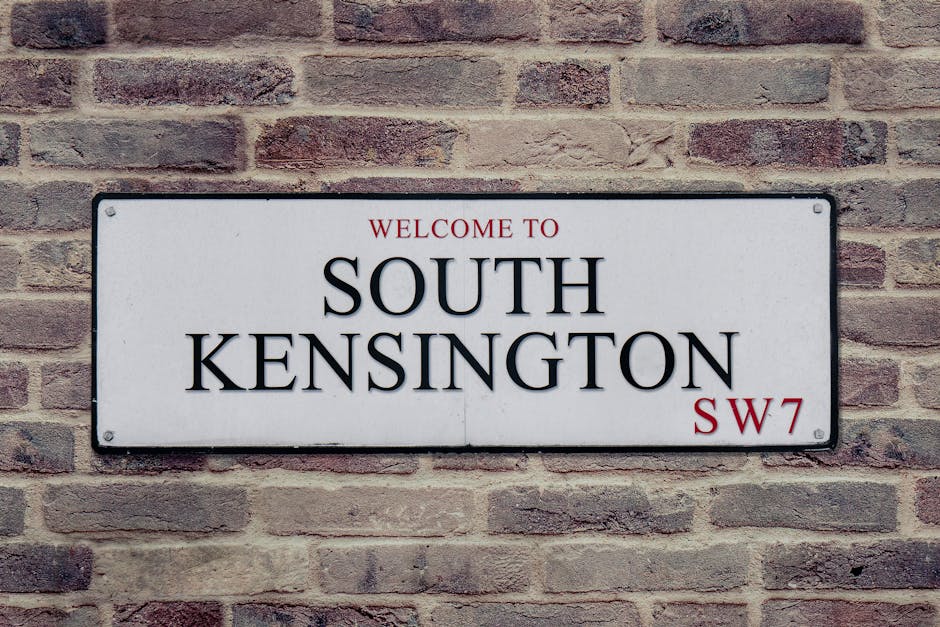
South Kensington Man And Van for local home and office moves

South Kensington Man And Van provides a practical man and van service in South Kensington for household moves, furniture transport and smaller business deliveries that need careful handling rather than a large removal crew. It is a straightforward option when you want help loading, moving and unloading items across London or further afield, with the job sized to suit the amount of furniture, boxes and awkward pieces involved. The aim is simple: make the move more manageable and keep the process organised from the first enquiry to the final drop-off.
Our service is suited to flats, townhouses, student moves, single-item collections and light commercial removals. If you need a van for part-load transport, furniture pick-up or a complete room transfer, we can plan the work around access, item size and the route at both ends. Careful lifting and sensible loading matter as much as the vehicle itself, especially when there are stairs, narrow hallways or fragile belongings to protect.
For a move that is easier to plan, start with the right service page and then send through the key details for a quotation. You can also review our man and van service if you want a wider overview of how the work is arranged. If your move includes a mixture of furniture and boxes, a clear list helps us understand the scale and suggest the most suitable approach. Please request a quotation when you are ready.
Home moves handled with care
Household removals need more than transport alone. They depend on sensible packing, a practical loading order and enough time to manage bulky items without forcing them through tight spaces. Our home moves page covers the kind of moves that suit a van-based service, from studio flats and shared homes to smaller family properties. The focus is on moving the right load in the right vehicle, so the job remains efficient and the contents stay organised during transit.
Where a move is mostly furniture, boxes and everyday contents, we can organise it as a house removals job or shape it around a simpler van move if the load is lighter. Some customers only need a few key pieces carried carefully; others want more of the contents moved in one trip. Either way, the benefit of a tailored approach is that you do not pay for unnecessary capacity or waste time arranging transport that is too small.
Before the move, it helps to group items by room and set aside anything that needs special handling. If stairs, parking or access are likely to affect the move, mention that early so the vehicle and timing can be planned more sensibly. Two or three concise notes about what is being moved are often enough to give a useful starting point, and they make it easier to compare options when you are ready to proceed.
Furniture, single items and careful lifting

Not every customer needs a full property move. Many enquiries are about a sofa, table, wardrobe or bed that needs collecting from one address and delivered safely to another. Our furniture pick-up service is useful when the item is too large for a car and too awkward to lift without help. The work is planned around the piece itself, with attention to measurements, access routes and whether dismantling or reassembly will be needed.
We also deal with mixed loads that combine furniture with boxed items or household extras. In those cases, removal services can be arranged around the actual volume rather than a fixed package, which is often better for customers moving out of a flat, furnishing a new room or collecting a purchase from a seller. That flexibility matters when the load is moderate but still needs proper handling and vehicle space.
Typical furniture moves are straightforward when the details are clear. A short list of dimensions, access points and any fragile surfaces can prevent delays on the day. If an item has removable legs, glass, mirrors or loose fittings, it is worth flagging that in advance. Good preparation is less about over-planning and more about avoiding surprises, especially when the furniture needs to pass through narrow stairwells or shared entrances.
Commercial moves for offices and workspaces
Small businesses also use man and van removals when they need desks, archive boxes, chairs or stock moved without arranging a full-scale office operation. Our commercial moves service is suited to compact office relocations, showroom transfers, shared workspace moves and similar jobs where the load is manageable but still needs care. It is designed to keep transport practical for businesses that want items moved in a controlled way.
For office-based work, the main concern is usually order rather than volume alone. Computers, documents, monitors and storage units may all need different handling, and the move benefits from a clear loading plan. If your business is relocating locally, you may also want to look at office removals for a more focused description of that type of move. The goal is to move the office contents without turning the day into a disruption that takes longer than necessary.
Useful details include the number of floors, whether there is lift access, and whether the items are already boxed or need collecting from workstations. If the move is being done outside standard opening hours or in phases, that can be included in the plan. The more precise the description, the easier it is to match the vehicle and schedule to the work required.
Packing support and transport planning
Some moves are made easier by light packing help, particularly when there are mixed items that need separating before loading. Our packing and unpacking services page suits customers who want support with wrapping, grouping or settling items into boxes before transport. This kind of help is especially useful where breakables, kitchenware or small household contents would otherwise take longer to organise than the move itself.
Transport planning also matters when the load needs a specific vehicle size or a sequence of stops. A van-based move is often most effective when the route, access and unloading order are thought through before collection. If you are comparing service types, removals gives a broader picture of the moving work we handle, while more specific pages explain the difference between house moves, commercial jobs and item collections. Choosing the closest fit avoids paying for a service that is broader than you need.
For a smoother day, set aside anything you want to keep with you, separate valuables and note any items that cannot be stacked. Simple preparation tends to save more time than detailed rearrangement later, because loading can begin in a sensible order rather than being interrupted by last-minute sorting. If you need a quotation, a brief summary of the load is usually enough to start the conversation.
About South Kensington

South Kensington is a district in west London closely associated with museums, garden squares and a dense network of cultural institutions. It sits within the Royal Borough of Kensington and Chelsea and is known for landmarks such as the Natural History Museum, the Science Museum and the Victoria and Albert Museum, all clustered around Exhibition Road and Cromwell Road. The area’s architectural character reflects 19th-century urban development, with terraces, grand stucco fronts and mansion blocks shaping many of the streets. South Kensington Underground station, served by the District, Circle and Piccadilly lines, is one of the area’s best-known transport points and connects the neighbourhood efficiently with the wider city. The locality also includes elegant residential squares and side streets that retain a distinctly metropolitan feel despite the steady flow of visitors to nearby institutions. Hyde Park and Kensington Gardens lie to the north-east, while Brompton and Chelsea are nearby districts that contribute to the area’s broader historical and social fabric. The combination of museums, embassies, residential buildings and university-linked activity gives South Kensington a varied rhythm through the week, with quieter side streets contrasting with the busier routes around the main public attractions. Its mix of architecture, transport and cultural landmarks makes it one of London’s most recognisable inner districts, with a strong identity that has developed over many decades.
Service choices for different moving needs
Customers often know they need transport but are less sure which moving page best matches the job. That is where the difference between a general van move and a more specific service becomes useful. House movers is a sensible fit for domestic moves, while movers works as a broader entry point for customers comparing options across household and small commercial work. The right choice depends on whether the move is mainly furniture, boxes, or a combination of both.
If you are moving a flat, a room or a small home, house removalists and man with van are both relevant pages to consider, because they reflect the scale of the job and the practical support needed. Different customers use different terms for the same kind of move, but the real question is usually how much needs transporting and how much help is needed with lifting. A modest load can often be handled in one planned trip when the details are clear.
It is worth choosing the page that matches your actual load rather than the page that sounds the most comprehensive. That makes the quotation process more useful and keeps expectations realistic. Matching the move to the job is often the simplest way to avoid over-ordering transport, particularly when the contents are a mixture of bulky and light items.
Vehicle options and load sizes

The vehicle matters because the right van can make the move safer and simpler. Our moving van and removal van pages reflect the transport side of the service, while moving truck and removal truck hire are more relevant where the load calls for a larger vehicle or a different approach. Not every job needs the biggest option; sometimes a well-planned van service is the most efficient way to complete the work.
Smaller or mid-sized loads can often be managed effectively with one vehicle and careful stacking, especially when the contents are boxed or the furniture can be partially dismantled. If your move is unusually compact, man with a van may be the most accurate description, whereas a broader removal page may suit customers with more items or a fuller property load. The practical question is not the label, but whether the vehicle space and handling support the move properly.
A simple way to judge the right option is to list the largest items first, then estimate how many boxes, bags or smaller pieces will travel with them. Where the load includes a sofa, mattress, wardrobe or several appliances, mentioning those items at the outset helps avoid guesswork. It also allows any handling concerns to be discussed before the move begins, which is better than trying to solve them at the kerbside.
Pricing factors and quotation details
Prices for man and van work are usually shaped by practical factors such as the amount being moved, the distance travelled, access at each address and whether the job involves stairs, waiting time or multiple stops. Our pricing and quotes page is the best place to look when you want to understand how a quotation is put together. It is better to think in terms of job details than in terms of a fixed price, because every move has its own combination of items and logistics.
To prepare a useful quotation request, it helps to mention the number of rooms involved, whether anything needs dismantling, and whether collection and delivery are both in South Kensington or elsewhere. If you are comparing removal companies, our removal companies page gives a broader service context, while the quotation process itself remains focused on your actual job. The aim is to keep the estimate clear enough to be meaningful without adding unnecessary complications.
Keep the information concise but specific. A short inventory, a note about parking restrictions and any fragile items are usually enough to begin with. If there are several possible dates, mention that too, as flexibility can sometimes make scheduling simpler. For a direct next step, ask for the quotation now and send the details in one message.
Safety, access and careful handling
Moving safely is not only about lifting technique; it also depends on clear access and sensible preparation. Our insurance and safety page explains the importance of protecting people, property and contents during a move. While every job is different, the same principles apply: avoid rushed lifting, protect edges and surfaces, and make sure the route from property to vehicle is as clear as practical.
Access issues can change the way a job is handled. Tight staircases, shared entrances, upper-floor flats and loading restrictions may all affect how items are moved and how long the task takes. Where these conditions are present, health and safety policy is relevant because it reflects a careful approach to the work rather than an assumption that every address is straightforward. Good planning reduces avoidable strain and helps the move proceed in a controlled way.
If you can identify the heaviest or most awkward items in advance, the move can be organised around them rather than left to chance. That is particularly important for wardrobes, shelving, large mirrors and appliances. A move that looks simple on paper can still benefit from a considered loading sequence, especially when there are other people using the same hallway or vehicle access point.
Other useful pages and final quotation request

When you want to compare related services, a few pages can help you narrow the right option quickly. Man with van removal suits customers who want a practical moving solution, while man and van removals is another clear route for small-to-medium household or business transport. If you are looking for a broader service description, removal company and removal companies help place the moving work in context without overcomplicating the request.
For customers who prefer to see how the service is presented across different job types, removals near me and removals van may also be useful reference pages, particularly when deciding whether the move needs a simple van, a larger load space or a more general removals arrangement. If the move is a business relocation rather than a household job, the earlier commercial pages may be the better fit. The key is to choose the description that matches the actual contents and route.
When you are ready to move ahead, send the item list, collection point and destination in one clear message and ask for a quotation. If you would like to compare the options first, keep the planning brief and then contact us for a quotation once you are happy with the likely service. A concise request is usually the quickest way to begin.