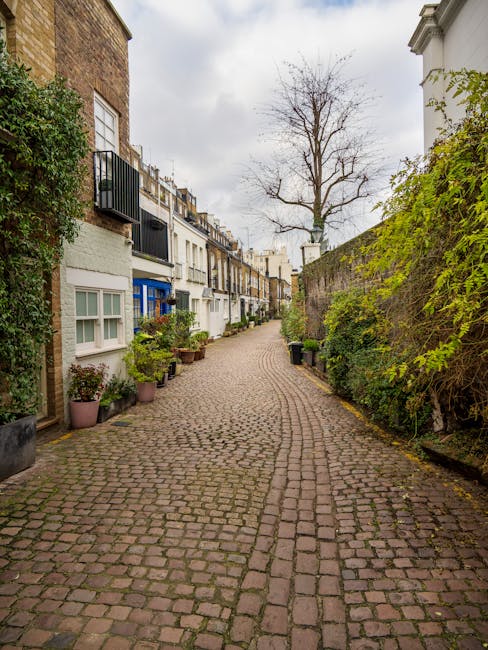
Loading bay permits street closure rules for South Kensington removals
Moving in South Kensington can look straightforward on a map and then turn into a bit of a puzzle on the pavement. Narrow roads, resident bays, loading restrictions, event traffic, permit timing, and the odd yellow line can all change what is possible on moving day. If you are trying to understand loading bay permits street closure rules for South Kensington removals, you are already asking the right question.
This guide breaks the topic down in plain English. You will learn when a loading bay permit may be needed, how temporary street closures can affect access, what to check before booking a van, and how to avoid the classic moving-day headache of turning up with a vehicle that has nowhere legal to stop. Let's face it, nobody wants a sofa on the pavement while everyone stares at the clock.
If you are planning a home move, office move, or a quick man and van job, the details matter. A little preparation goes a long way, especially in an area like South Kensington where access can be tight and timing can be unforgiving.
Table of Contents
- Why this matters in South Kensington
- How loading bay permits and street closure rules work
- Key benefits and practical advantages
- Who this is for and when it makes sense
- Step-by-step guidance
- Expert tips for better results
- Common mistakes to avoid
- Tools, resources and recommendations
- Law, compliance and best practice
- Options and comparison table
- Case study example
- Practical checklist
- Conclusion
- Frequently asked questions
Why Loading bay permits street closure rules for South Kensington removals Matters
South Kensington is one of those London areas where the move itself is only half the story. The other half is access. A loading bay might be the difference between a calm, efficient unload and a frustrating morning spent circling for a legal stopping place. Street closure rules matter for the same reason: if a road is temporarily closed, or partially restricted for works or an event, your vehicle route may need to change at the last minute.
For removals, the practical impact is simple. If your van cannot stop close enough to the entrance, the team has further to carry boxes, furniture, and fragile items. That adds time, effort, and risk. In a flat move, it can also mean extra trips through shared entrances, stairs, or small lifts. In an office move, it can disrupt staff, deliveries, and building management schedules.
There is also a trust angle here. A well-planned move feels organised and controlled. One that relies on chance rarely does. If you are comparing removal services, it is worth checking whether the provider understands local access issues, permit timing, and how to work around temporary closures without drama.
Expert takeaway: in South Kensington, access planning is not a nice-to-have. It is part of the move itself. The better the parking and route plan, the smoother the whole day tends to be.
And yes, the weather can become part of the story too. A dry morning can turn into wet cardboard and slippery pavements by lunchtime. If the van is too far away, that extra distance suddenly feels much longer.
How Loading bay permits street closure rules for South Kensington removals Works
In practice, the process is about matching three things: the vehicle, the stopping location, and the timing. A loading bay permit usually allows a vehicle to use a designated bay for loading or unloading for a limited period, subject to local rules. Street closure rules are separate but related. They may block access entirely, restrict certain types of vehicle, or require diversions and timed arrivals.
For a removal, the key question is not just "Can we park?" It is "Can we legally stop here at the exact time we need to move goods?" That subtle difference matters. A bay may be available in principle but unusable because of a time restriction. A road may be open to traffic but not suitable for a large vehicle because of width, turning space, or suspension works nearby.
Here is the usual flow:
- You identify the pickup and delivery addresses and check the likely access conditions.
- You confirm whether a loading bay, resident bay, or limited waiting bay is available near the property.
- You check whether the move time conflicts with any local restrictions, suspended bays, or road closures.
- You arrange the correct permit, suspension, or alternative stopping plan where required.
- You brief the removal team so they know where to park, what to expect, and what the fallback plan is if the bay is occupied.
That sounds simple on paper. On the day, it can involve a bit of improvisation. A bay may already be taken by a delivery van. A street may have temporary barriers because a utility crew arrived early. Or the building porter may ask for a different access route. The solution is usually not panic. It is flexibility.
For bigger moves, especially when furniture and boxed items are being carried by hand, a service like man and van can be a good fit if the schedule is tight and the access is awkward. If the move is more substantial, you may be better looking at house removals or even office removals for a more structured approach.
Key Benefits and Practical Advantages
Getting the parking and street access plan right brings a few very real benefits. Some are obvious, some show up only once the move begins.
- Less carrying distance: the closer the vehicle can legally stop, the less walking, lifting, and re-handling is needed.
- Lower risk of damage: fewer transfers usually mean fewer knocks to corners, tabletops, mirrors, and screens.
- Better timing: a move that starts on time is much easier to finish on time.
- Less stress for residents and neighbours: a tidy, legal loading arrangement tends to reduce complaints and awkward conversations.
- More predictable costs: delays caused by parking problems often create extra labour time.
There is also a less visible advantage: better morale. A move where everyone knows where the van is going to stop and who is handling what usually feels far less frantic. That matters, especially when a family is trying to keep children, pets, or older relatives settled while the house is half packed.
If you are pricing up the job, it is also wise to check pricing and quotes early. A good quote should reflect access realities, not just mileage and volume. If a provider understands South Kensington properly, they should ask sensible questions about parking, loading, stair access, and whether any items need dismantling.
Who This Is For and When It Makes Sense
This topic applies to more people than you might think. It is not just for big home removals with a full-size truck. If anything, smaller moves can be even more vulnerable to access problems because there is less room for error.
You will most likely need to think about loading bay permits or street closure rules if you are:
- moving out of a flat with no private driveway or forecourt
- relocating to or from a mansion block or mansion-style conversion with tight street frontage
- moving office furniture, archive boxes, or IT kit in the middle of the day
- booking a larger van or truck that needs more turning room
- moving on a weekend, during peak traffic, or near a planned event
- working around building repairs, scaffolding, or suspended bays
For homeowners, this often means checking with the building manager or letting agent before move day. For tenants, it can be worth speaking to the concierge or neighbour in the flat below. For businesses, the office manager or facilities contact usually needs to coordinate everything in advance. Truth be told, the earlier this happens, the better.
If your move is small and light, a man with a van arrangement can be flexible enough to work around restrictions, provided the stopping plan is realistic. If the move includes more bulky furniture, a dedicated removal van or larger vehicle may be needed, but then access becomes even more important.
Step-by-Step Guidance
Here is a practical way to tackle the planning. It is not glamorous, but it saves headaches.
- Check the exact address details. Confirm the street name, postcode, entrance position, and whether the property faces a main road or side street.
- Assess the type of access. Look for loading bays, resident bays, single yellow lines, double yellow lines, or any private forecourt space.
- Ask about restrictions. Find out whether any roadworks, filming, events, or building works could affect the route or stopping place.
- Decide on the vehicle size. A smaller van may fit access more easily, while a larger vehicle may reduce the number of trips. There is no one-size-fits-all answer.
- Build in timing flexibility. Start times should allow for traffic, parking, and the possibility that the first stopping place is not available.
- Prepare the building side. Book lifts if needed, reserve the service entrance, and tell neighbours if shared access will be used.
- Brief everyone involved. Drivers, porters, and anyone helping with the move should know the plan and the backup option.
One small but useful habit: take a quick photo of the access point the day before, especially if there is a bay sign, a dropped kerb, or a tight corner. It helps everybody visualise the space. A phone picture can save a lot of "I thought it was the other side" confusion.
For complicated home moves, a package such as home moves can be useful because it brings the vehicle, manpower, and planning together. If the property contains lots of furniture, house movers may offer the right mix of experience and physical handling support. Simple, really.
Expert Tips for Better Results
Most access problems are preventable with a bit of local awareness. These are the habits that tend to make the biggest difference.
- Start with the worst-case scenario. Assume the first parking option will be unavailable. If it is free, great. If not, you are already prepared.
- Keep a fallback route. In South Kensington, one-way systems and narrow side streets can make a "quick detour" less quick than expected.
- Choose the right team size. If access is limited, a slightly larger crew can sometimes reduce the overall time more than a bigger vehicle would.
- Separate fragile items early. The shorter the carry, the less excuse there is for rough handling, but fragile items still deserve their own plan.
- Protect your timing windows. If a permit or access slot is available only for a short period, load the most essential items first.
- Talk to neighbours before the day. A polite heads-up can avoid tension when the van briefly blocks a sightline or shared entrance.
One practical observation from many local moves: a good driver is often worth just as much as a big vehicle. Someone who knows how to position a van close to a bay without causing a kerfuffle can save the day. Not joking.
If you are moving commercial items, the same thinking applies. A planned commercial move with commercial moves support can reduce downtime, while office relocation services may be better when desks, filing, and equipment all need a staged approach.
Common Mistakes to Avoid
A lot of removal stress comes from the same handful of mistakes. They are easy to make, especially if this is your first move in the area.
- Assuming parking will work itself out. It usually does not.
- Leaving permit checks until the last minute. That can force rushed decisions or expensive changes.
- Booking the wrong vehicle size. Too small means too many trips. Too large can mean access trouble. Both are annoying in different ways.
- Ignoring temporary street closures. Even a short closure can alter the whole loading plan.
- Forgetting about lifts and stairwells. Access is not just the road; it is the building too.
- Not telling the moving team about restrictions. The driver cannot plan around what they do not know.
There is also the "it'll be fine on the day" trap. Sometimes it is fine. Often it isn't. Better to sound slightly overprepared than to be scrambling at 8:15 in the morning while a wardrobe blocks the hallway.
If you are using a local removal company, ask how they deal with loading restrictions and whether they have experience with South Kensington streets specifically. That question alone can tell you a lot.
Tools, Resources and Recommendations
You do not need a huge toolkit for this kind of planning, but a few practical items make the process much smoother.
- Phone maps and street-view style visual checks: useful for identifying entrances, corners, and parking positions.
- Printed or saved move notes: handy when signal is poor or battery life is worse than expected.
- Photo references: bays, signs, building entrances, and loading areas are much easier to discuss with a picture.
- Room-by-room labelling: this keeps unloading efficient if the vehicle has to stop a little further away than planned.
- Clear communication with the mover: especially if the move involves fragile furniture or time-sensitive items.
It is also smart to use a service that can match the job to the vehicle. If you need a lighter, more flexible option, man and van removals can be a good fit. For larger or heavier household jobs, removals or a dedicated removal van may be better. There is no prize for choosing the most cumbersome option.
For furniture-heavy plans, a furniture pick up service may make sense when you are dealing with a few large pieces rather than a whole property. That can be a very neat solution when access is limited and the job is more about lifting than volume.
Law, Compliance, Standards, or Best Practice
Access arrangements for removals in London are usually shaped by local authority parking rules, traffic management measures, and the specific conditions of the street. The exact rules can vary depending on location, time of day, bay type, and whether a road is subject to temporary restrictions. Because these details change, it is wise to verify the current position rather than rely on memory or what worked for a previous move.
From a practical compliance perspective, the main best practices are consistent:
- use only lawful stopping places
- avoid blocking entrances, dropped kerbs, and emergency access
- check whether any parking suspension or permit is required before using a bay
- plan around temporary road closures and diversion routes
- keep communication open with the building, the mover, and any managing agent
If your move involves business premises, the duty to keep things safe and organised becomes even more important. A good provider should be able to explain how they manage loading, manual handling, and route planning. The same goes for insurance and safeguarding the property. If you want a sense of how a company approaches those responsibilities, health and safety policy and insurance and safety information are helpful trust signals to review.
In short, compliance here is mostly about care and attention. Not glamorous, but essential. One forgotten restriction can ripple through the entire day.
Options, Methods, or Comparison Table
Different access situations call for different approaches. The best choice depends on street layout, van size, furniture volume, and how much walking the crew can realistically do.
| Option | Best for | Pros | Watch out for |
|---|---|---|---|
| Loading bay permit or reserved bay | Moves where legal close-up access is available | Shortest carry distance, efficient loading | Needs advance checking and may be time-limited |
| Smaller van with flexible parking plan | Tight streets and lighter moves | Easier manoeuvring, less access stress | May require more trips |
| Larger removal vehicle | Full household or office moves | More capacity, fewer journeys | Can be harder to position near the property |
| Staged move with multiple runs | Restricted streets or complex building access | Flexible and manageable | Takes longer overall |
There is no universally best method. A short walk from the van can be perfectly acceptable if the route is clear and the items are light. But if you are moving heavy sofas, awkward mirrors, or office equipment, the wrong setup can quickly become tiring. A bit of realism here goes a long way.
Case Study or Real-World Example
Imagine a two-bedroom flat move from a South Kensington terrace street on a weekday morning. The property has no private driveway, the nearest legal stopping place is a loading bay with limited availability, and there is some temporary traffic management nearby because of building work. On paper, not ideal. Still manageable.
The move is planned by checking the bay timing first, then confirming the building's lift availability, then setting an arrival window that avoids the worst commuter period. The team uses a moving van rather than a much larger truck, because access is tighter than expected. Boxes are labelled by room, fragile items are loaded first, and the heaviest furniture is broken down where possible.
What made the difference? Not luck. Planning. The move started with the legal stopping point, not the boxes. Because the access plan was sensible, the team kept a steady pace and avoided repeated shuffling between the building and the van. The day still involved a bit of bustle, of course. It always does. But it stayed under control.
That same approach works for many local jobs, whether it is a single flat, an entire family home, or a business move with multiple workstations. The pattern is the same: confirm the street rules, choose the right vehicle, and keep the fallback plan simple.
Practical Checklist
Use this checklist before moving day. It is worth printing, saving, or sending around the team. Nothing fancy. Just useful.
- Confirm the exact pickup and delivery addresses
- Check for loading bays, resident bays, or permit-only spaces
- Ask whether any street closures, roadworks, or event restrictions apply
- Verify the best arrival time for access and traffic
- Choose a vehicle size that suits both the volume and the street layout
- Tell the mover about stairs, lifts, concierge rules, or shared entrances
- Prepare parking notes and any required documentation in advance
- Label boxes by room and keep fragile items easy to reach
- Clear hallways, entrances, and loading routes before arrival
- Have a fallback parking or drop-off plan if the bay is occupied
- Keep phone contact open on the day
- Review the removal company's terms so there are no surprises later
If you are still at the planning stage, it can help to compare your options with a straightforward provider such as removal company or a more flexible movers service. Different moves need different hands. That's just the truth of it.
Conclusion
Loading bay permits and street closure rules might sound like small admin details, but in South Kensington they can shape the whole move. If you get the access plan right, everything else becomes easier: the carry is shorter, the timings are steadier, and the stress levels drop a notch or two. If you get it wrong, even a simple move can feel unnecessarily heavy.
The best approach is calm and practical. Check the bay. Check the street. Check the vehicle. Then check them again if anything changes. That is how you turn a potentially awkward London move into something more orderly and far less tiring.
If you are organising a move soon, it is worth speaking early, sharing the full address details, and making sure the plan matches the street conditions rather than hoping for the best. A little preparation now can save a lot of effort later, and that is usually the kind of win people appreciate most.
For clear, local support with your move, the next step is to choose the service that fits the property, the furniture, and the access. That small decision often sets the tone for the whole day.
Get a free quote today and see how much you can save.
Frequently Asked Questions
Do I need a loading bay permit for a removal in South Kensington?
Often, yes, if the only practical stopping place is a marked loading bay or a restricted parking space. The exact requirement depends on the street, the time of day, and the type of bay. It is best to check in advance rather than assume a van can simply stop there.
What happens if there is a temporary street closure on move day?
If a street is closed or partly restricted, the route and stopping point may need to change. The removal team may need to use an alternative road, a smaller vehicle, or a different access window. This is why flexibility matters so much in central London moves.
Can a man and van service handle loading bay restrictions?
Yes, as long as the driver knows the access rules and the van size suits the location. A smaller vehicle can sometimes make life easier on tight South Kensington streets, especially where parking space is limited.
Is a larger van better than a smaller one for South Kensington removals?
Not always. A larger van may reduce trips, but it can be harder to park and manoeuvre. A smaller van may be easier to position but could need more runs. The best choice depends on the street, the volume of items, and how much walking is involved.
How far in advance should I arrange parking or access planning?
As early as possible. For local moves with access restrictions, early planning gives you time to check the bay, confirm building access, and deal with any temporary closures. Waiting until the week of the move is a bit too optimistic, to be fair.
What should I tell the removal team before the move?
Give them the full address, postcode, street access details, bay restrictions, lift information, stair counts, and any known roadworks or closures. The more accurate the information, the better the plan.
Are office moves affected by the same rules as home moves?
Yes, and sometimes even more so. Office removals often involve scheduled deliveries, building access controls, and time-sensitive equipment. If a loading bay or street closure affects the timing, it can disrupt staff and operations quickly.
What if the loading bay is already occupied when the van arrives?
The team may need to wait briefly, use an alternative legal stopping point, or adjust the loading sequence. This is one reason why a backup plan matters. A decent mover will not treat this as a surprise; they will expect the odd complication.
Does a permit guarantee a stress-free move?
No, but it helps a lot. A permit only solves one part of the puzzle. You still need to consider building access, traffic, timing, and whether the street is affected by temporary closures or other restrictions.
How do I know which removal service is right for my move?
Think about volume, access, and the amount of handling required. A small flat move may suit man and van removals. A larger family move may be better suited to house removalists. For commercial premises, office removals can offer the structure you need.
Can I prepare boxes before the van arrives if street access is tight?
Absolutely, and in some cases it is the smart move. Having everything boxed, labelled, and ready to go reduces the time the vehicle needs to be at the loading point. That is especially helpful where access windows are short or parking is limited.
Where should I check company policies before booking?
It is sensible to review pages such as terms and conditions, payment and security, and recycling and sustainability so you understand how the company works and what standards they follow. Small details, but useful ones.