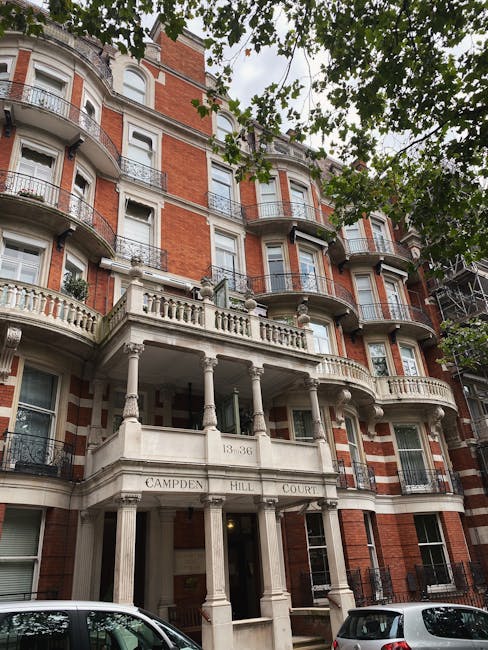
Avoid hidden charges with South Kensington removal company
Moving home in South Kensington can feel exciting right up until the paperwork starts. Then the little worries appear: packing fees you did not expect, stair charges nobody mentioned, or a "fuel adjustment" that somehow arrives after the job is done. If you want to avoid hidden charges with South Kensington removal company, the key is simple: know exactly what is included, what is not, and how the quote is built before anyone lifts a box.
That sounds obvious, but in real life it is where many moves go sideways. A clear removal quote should help you plan with confidence, not leave you squinting at a final invoice and wondering what on earth changed. In this guide, we will walk through the warning signs, the questions to ask, the checks to make, and the practical steps that keep costs transparent from the first call to the last item off the van.
Let's make the whole thing less stressful, and a lot less expensive.
Table of Contents
- Why hidden charges matter
- How transparent removal pricing should work
- Key benefits of upfront pricing
- Who needs this approach most
- Step-by-step guidance
- Expert tips for a cleaner quote
- Common mistakes to avoid
- Tools, resources and recommendations
- Law, compliance and best practice
- Comparison of pricing approaches
- Real-world example
- Practical checklist
- Conclusion
- Frequently asked questions
Why Avoid hidden charges with South Kensington removal company Matters
Hidden charges are not just annoying. They can distort your moving budget, create last-minute stress, and make a service feel less professional than it should. In a place like South Kensington, where access can be tight, parking can be awkward, and properties are often arranged over multiple floors, small assumptions can quickly become expensive extras if they are not discussed early.
To be fair, not every extra cost is a scam. Some moves genuinely change on the day because the lift is out, the parking is farther away than expected, or you have far more items than originally described. The problem is not that changes happen. The problem is when those changes are not explained clearly before booking.
That is why transparency matters so much. A professional removal company should help you understand the moving cost structure in plain English. If the price depends on access, timing, waiting time, or additional labour, you should know that before the crew arrives outside your front door with trolleys and tape and everyone trying to keep calm.
It also protects trust. When a company is open about pricing, it usually signals the same approach in other areas too, such as clear terms and conditions, sensible insurance and safety arrangements, and a more organised moving process overall. That is the kind of detail that tends to separate a smooth move from a messy one.
How Avoid hidden charges with South Kensington removal company Works
In practice, avoiding hidden charges is about building clarity before booking and confirming details before moving day. Good removals firms will usually ask for a description of what is being moved, where from and to, how easy it is to access both properties, and whether you need packing, dismantling, storage, or special handling. The more accurate the information, the cleaner the quote.
Most reputable moving quotes are based on a mix of time, crew size, vehicle size, access conditions, and any requested extras. If a quote seems strangely low, it is worth asking what has been left out. Because something has often been left out. Not always, but often enough to warrant a second look.
Transparent pricing should also explain whether the service is hourly or fixed-price. An hourly move can work well for smaller, straightforward jobs, but it only makes sense if the team is efficient and the pricing rules are written down. A fixed quote may give better peace of mind for more complex moves, especially if there are lots of fragile items or a tricky building layout.
If you are comparing providers, it helps to read the company's pricing and quotes information carefully. Look for wording around minimum charges, waiting time, parking or access issues, congestion-related delays, and optional services. A clear page is not a guarantee of a perfect move, of course, but it is a very good sign.
Key Benefits and Practical Advantages
The biggest benefit is peace of mind. When the price is clear, you can focus on the move itself rather than worrying about surprise additions. That matters more than people expect. Moving day is already noisy, busy, and slightly chaotic; you do not need a hidden-fee argument to go with the kettle boxes.
Here are the practical advantages of choosing a company that is upfront about costs:
- Better budgeting: you can plan for the real total cost, not just the headline price.
- Fewer disputes: clear terms reduce the chance of disagreements on moving day.
- More accurate scheduling: the crew can allocate the right vehicle and number of movers.
- Lower stress: you are less likely to feel ambushed by an invoice at the end.
- Better comparisons: you can compare quotes on like-for-like terms, which is essential.
There is also a small but important confidence effect. Once you know the cost structure, you can make better decisions elsewhere: whether to pack yourself, whether to dismantle furniture in advance, whether to book a parking suspension, or whether to schedule the move earlier in the day. Small decisions, yes, but they add up.
And if you want reassurance on the company's broader operating standards, pages such as the health and safety policy and about us page can tell you a lot about how they work behind the scenes. Not glamorous, perhaps. Useful, definitely.
Who This Is For and When It Makes Sense
This approach matters for almost anyone planning a move, but it is especially important if your move has any extra complexity. South Kensington flats often come with narrow stairways, limited parking, shared entrances, or building rules that can slow things down. If that sounds familiar, you are exactly the kind of customer who should insist on full pricing clarity.
It makes particular sense for:
- homeowners who want a fixed moving budget
- tenants moving in or out of rented accommodation
- families with bulky furniture and lots of boxes
- people moving on a tight timeline
- anyone booking packing, dismantling, or disposal as part of the move
- customers comparing several South Kensington moving quotes at once
It is also useful if you have had a poor experience before. Maybe the "cheap" quote turned into a long list of add-ons, or maybe the mover charged extra because they said your sofa was awkward to carry. That sort of thing can happen. The goal here is not paranoia, just better preparation.
Truth be told, if a removal company is vague during the quote stage, that vagueness rarely improves later. Better to ask the difficult questions early than have a mildly dramatic conversation on the pavement later. Nobody wants that.
Step-by-Step Guidance
If you want to avoid hidden charges with South Kensington removal company, use a simple process. It does not need to be complicated. In fact, the best method is usually the most boring one: ask clearly, confirm in writing, and check every assumption.
- List everything you need moved. Include furniture, boxes, appliances, fragile items, and anything unusually heavy or awkward.
- Describe access honestly. Mention stairs, lift access, narrow halls, controlled parking, and distance from the property to the van.
- Ask what the quote includes. Packing, materials, dismantling, reassembly, waiting time, and travel time all matter.
- Check how pricing works. Is it fixed, hourly, or a mix? What happens if the job takes longer than planned?
- Confirm extras in writing. If you request additional help later, make sure the cost is agreed before work begins.
- Review the terms. A company's terms and conditions should explain cancellations, amendments, and payment timing.
- Ask about payment safety. You want a secure and transparent process, not a confusing payment link or vague request for cash only.
- Get the final booking summary. A written confirmation should repeat the key services, date, time, and price structure.
One practical tip: if a move has even a whiff of complexity, send photos or a short inventory. A hallway shot, a staircase, the size of your wardrobe, the number of boxes in the sitting room. It takes minutes, and it can save a lot later.
A simple quote-check habit
When a quote arrives, read it line by line and ask yourself: what is missing? That one question catches many problems early. If the answer is "parking," "waiting time," "materials," or "access," you now know where the risk lies.
Expert Tips for Better Results
After years of seeing what causes pricing misunderstandings, a few patterns stand out. Most hidden charges are not dramatic surprises. They are small assumptions. A mover assumes the lift works. The customer assumes packing tape is included. The office assumes the job will take an hour less than it actually does. And suddenly the numbers are wobbling.
Here are a few expert-level habits that help:
- Be specific about access: "Top floor, no lift, narrow staircase" is much better than "flat access is fine."
- Separate essentials from optional extras: packing materials, wardrobe boxes, and dismantling are often billed differently.
- Ask what triggers an extra cost: waiting time, congestion, additional stops, or late changes can all affect the bill.
- Keep the move list realistic: undercounting boxes is a common mistake, and not a small one.
- Choose a company that explains things plainly: clarity is usually a better sign than slick sales talk.
If you need a practical next step, a clear contact process helps too. A company that makes it easy to speak to someone through contact us is often easier to coordinate with during the booking stage. Nothing fancy. Just responsive communication, which, honestly, is worth its weight in bubble wrap.
A final tip from the real world: if something sounds too cheap, ask what the price leaves out. Not in an aggressive way. Just calmly. You will usually learn a lot from the answer.
Common Mistakes to Avoid
The biggest mistake is assuming all removal quotes are built the same way. They are not. Some include packing materials, some do not. Some include travel, some do not. Some include a two-person team, others quietly assume one mover and a very optimistic van load. It can be messy if you do not check.
Other common mistakes include:
- Choosing the cheapest quote without reading the details
- Ignoring access issues such as stairs, lift restrictions, or parking distance
- Forgetting to mention bulky or fragile items like mirrors, pianos, or antique furniture
- Not asking about waiting time when there may be delays at one end of the move
- Assuming disposal or recycling is included when it may need to be booked separately
- Leaving packing to the last minute and then paying for urgent help
There is also the emotional mistake: rushing. People often compare quotes on a busy evening, trying to get it done before dinner. Fair enough, we have all done it. But a five-minute check now can prevent a very expensive headache later.
One useful rule: if the quote summary is only one line long, it is probably not enough detail for a proper decision.
Tools, Resources and Recommendations
You do not need fancy software to keep a moving budget under control. A notebook, a phone camera, and a sensible checklist will usually do. Still, a few simple tools can make the whole process smoother.
- Room-by-room inventory: a quick list of furniture and boxes helps the company estimate accurately.
- Photo set: take pictures of stairs, lift access, parking distance, and larger items.
- Moving timeline: note your completion date, move-out time, and key handover schedule.
- Budget worksheet: compare headline price, packing, materials, and any likely extras.
- Written confirmation folder: save quote emails, booking details, and any amendments together.
You may also want to review related support pages before booking. For example, the company's payment and security information should reassure you about how payments are handled, while insurance and safety helps you understand how your belongings are protected during the move.
If you are also thinking about what happens to unwanted items, the recycling and sustainability page can be useful. It is often cheaper and tidier to plan disposal properly rather than deciding at the last minute and paying for an extra trip.
Law, Compliance, Standards, or Best Practice
In the UK, moving services are not just about a van turning up and hoping for the best. Customers should expect honest trading, clear pricing information, and transparent service terms. You do not need to become a legal expert to protect yourself, but a few best-practice principles are worth knowing.
First, a quote should be understandable. If the price depends on conditions, those conditions should be described plainly. Second, cancellation and amendment terms should be accessible before you commit. Third, payment methods should be secure and properly explained. That is where pages like payment and security and privacy policy become relevant, because trust is not only about the move itself; it is about how your information and money are handled too.
Health and safety matter as well. Handling heavy furniture, navigating stairs, and lifting awkward items all carry risk. A company with a clear health and safety policy is more likely to use sensible manual-handling practices and reduce avoidable damage or injury. Not always perfect, but far better than winging it.
And if you ever need to raise a concern, a published complaints procedure shows the business is prepared to handle issues properly. That is a good sign. Transparent companies usually do not fear accountability.
Options, Methods, or Comparison Table
Different pricing methods suit different moves. The trick is choosing the one that matches your situation, not the one that just looks cheapest at first glance.
| Pricing method | How it works | Best for | Watch out for |
|---|---|---|---|
| Fixed quote | One agreed price for the stated job | Moves with clear details and predictable access | May exclude extras if the job changes and is not updated |
| Hourly rate | Charged by time worked, usually with a minimum | Smaller or straightforward moves | Delays can increase cost if access is slow or parking is poor |
| Hybrid pricing | Base cost plus clearly listed add-ons | Moves needing packing, dismantling, or special handling | Can become expensive if add-ons are not checked carefully |
For many South Kensington moves, a fixed or clearly capped quote feels calmer because it reduces uncertainty. That said, if your move is very small and simple, an hourly booking may still be fair. The real issue is not the pricing model itself. It is whether the model is explained properly.
If you want a business view of the company before booking, the about us page can also be useful for understanding the team's general approach and values. Sometimes a short page says more than a long sales pitch.
Case Study or Real-World Example
Imagine a couple moving from a first-floor flat in South Kensington to a nearby house in West London. On paper, the move seems simple. Two bedrooms, a sofa, a dining table, a few fragile items, and around thirty boxes. They accept the cheapest quote they find because, well, moving is expensive and everyone is trying to save a bit.
Then the issues start. The flat has a narrow staircase. Parking near the property is tight. One wardrobe needs dismantling, and the glass table top needs extra protection. The cheapest quote did not mention any of that in detail. By the end of the move, the final invoice is higher than expected, and the customer feels frustrated even though the crew worked hard.
Now compare that with a better booking process. The customer sends photos, flags the stairs, asks what is included, and gets a clear breakdown of packing materials, dismantling, and access-related assumptions. On moving day, there are no awkward surprises. The job still has the normal noise and bustle of a London move, but the pricing stays where it should be: predictable.
That is the difference. Not magical efficiency. Just good communication, a careful quote, and no mystery charges sneaking in at the end.
Practical Checklist
Use this checklist before confirming your booking. It is simple, but it catches most of the avoidable problems.
- Have you listed every room and major item?
- Have you explained stairs, lift access, and parking clearly?
- Do you know whether the price is fixed, hourly, or hybrid?
- Have you asked what counts as an extra charge?
- Do you know whether packing materials are included?
- Have you checked dismantling and reassembly costs?
- Do you understand waiting time and delay rules?
- Have you reviewed the company's terms and payment details?
- Do you have written confirmation of the final quote?
- Have you saved contact details in case you need to update the booking?
Expert summary: The safest way to avoid hidden charges is not to chase the cheapest headline price. It is to compare detailed quotes, disclose the awkward bits early, and get every meaningful cost in writing before moving day.
If you tick those boxes, you are already ahead of most moving customers. Honestly, that small bit of discipline saves a lot of grief.
Conclusion
Avoiding hidden charges with South Kensington removal company is really about one thing: clarity. The best moving experience is not necessarily the cheapest-looking one at first glance. It is the one where you understand the price, trust the process, and know what happens if the plan changes.
In a busy part of London, with tricky access and packed schedules, a transparent quote is more than a nice-to-have. It is part of good service. So ask the questions, check the details, and choose the company that explains things plainly. You will feel the difference on the day, when the boxes are moving and the room finally starts to empty out.
Get a free quote today and see how much you can save.
And if the process feels a little overwhelming right now, that is normal. Take it one step at a time. A clear move starts with one clear conversation.
Frequently Asked Questions
How do I know if a removal quote has hidden charges?
Look for missing detail. If the quote does not clearly mention packing materials, access, waiting time, dismantling, or any minimum charges, ask for clarification. A proper quote should let you compare costs on a like-for-like basis.
Are cheap removal companies more likely to add extra fees later?
Not always, but very low headline prices can be a warning sign if the service is vague. The real test is whether the company explains exactly what is included. Cheap is fine. Confusing is not.
What extra costs are most common in a South Kensington move?
Common extras include packing materials, furniture dismantling, stairs without lift access, longer carrying distances, waiting time, and changes to the scope of the job. In central London, parking or access issues can also affect the final cost if they were not discussed in advance.
Should I choose a fixed quote or an hourly rate?
It depends on the move. Fixed quotes can be better for larger or more complex jobs because they reduce uncertainty. Hourly rates can work well for smaller, straightforward moves, as long as the terms are clear and the company works efficiently.
Is it normal for a removal company to charge for packing materials separately?
Yes, that is common. Some companies include materials in the quote, while others list them separately. The key is disclosure. You should know whether boxes, tape, wardrobe cartons, and protective wrap are included before booking.
What should I send a removal company before I get a quote?
A room list, a short inventory, and photos of anything large or awkward are very helpful. Also mention stairs, lift access, parking, and any items that need special handling. Better information usually means a better quote.
Can hidden charges be avoided completely?
Not always, because moves can genuinely change. But most surprise costs can be reduced or avoided by being accurate upfront and getting the pricing details in writing. That is usually enough to keep things fair.
Why does access matter so much for removal pricing?
Access affects time, labour, and equipment. If the movers have to carry furniture a long way, deal with stairs, or wait for parking, the job can take longer. That does not mean you will be penalised unfairly, but it does mean the company needs to know the real conditions.
What should be included in a professional moving quote?
A professional quote should explain the core service, the price structure, any included labour, likely extras, and the conditions that could change the cost. It should also be backed by clear terms and straightforward communication.
How do I compare two removal quotes properly?
Compare the details, not just the totals. Check the number of movers, vehicle size, included services, materials, timing, and any extra charge rules. A slightly higher quote can be better value if it is more complete and less risky.
What if I need to change my booking after I confirm?
Ask the company as soon as possible and check the amendment terms. Changes can affect availability and cost, especially if the move date, address, or service scope changes. Good communication helps keep any adjustments fair and manageable.
Where can I check how a company handles payments and disputes?
Look at the company's payment and security information and its complaints procedure. Those pages show how the business handles payments and how issues are resolved if something does not go to plan.