Cheap versus insured removals in SW7 what to expect
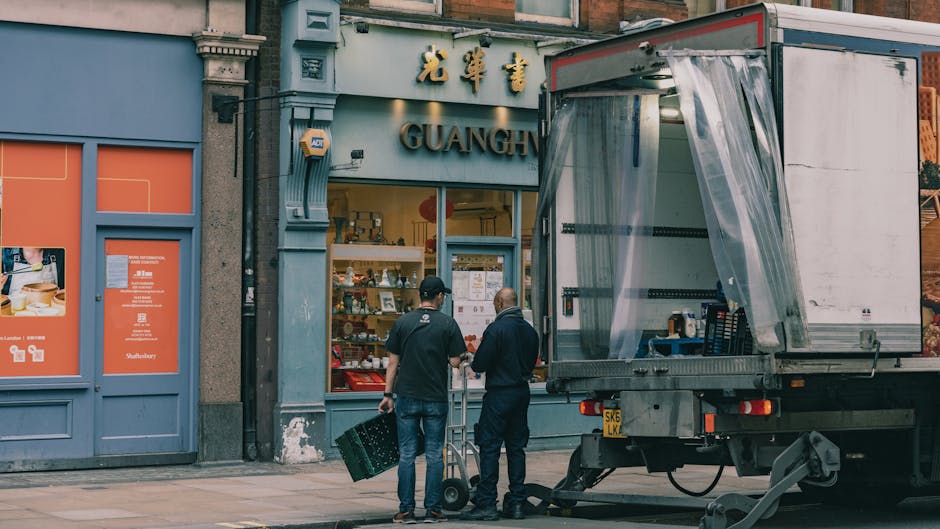
If you are comparing cheap versus insured removals in SW7, you are probably trying to solve two problems at once: keeping the move affordable and avoiding nasty surprises on the day. That's fair enough. In South Kensington and the wider SW7 area, where streets can be tight, parking can be awkward, and fragile furniture is not exactly rare, the difference between a bargain move and a properly insured service can matter more than people think.
This guide breaks down what to expect from each option, where the real savings come from, where the risk sits, and how to choose the right level of cover without overpaying. We'll keep it practical, local, and honest. No fluff. Just the stuff that helps you move without feeling like you've rolled the dice.
- Why the choice matters in SW7
- How cheap and insured removals work
- Benefits and trade-offs
- Who each option suits
- Step-by-step guidance
- Expert tips
- Mistakes to avoid
- Comparison table
- FAQs
Why Cheap versus insured removals in SW7 what to expect Matters
Moving in SW7 is not the same as moving in a wide-open suburban street where vans can park directly outside the front door. In South Kensington, you often have to deal with apartment blocks, controlled parking, shared entrances, narrow staircases, and the occasional awkward lift that seems to stop working the moment you are carrying a sofa. Lovely area. Slightly less lovely on moving day.
That is exactly why the cheap-versus-insured question matters. A low quote can look appealing, especially if you are already paying deposits, cleaning fees, and the usual moving costs. But if a mover is uninsured or underinsured, the cheapest price may turn into the most expensive mistake if something gets damaged, lost, or delayed.
On the other hand, "insured" does not automatically mean "expensive" or "premium in every way". It usually means the company has public liability and goods-in-transit cover, plus more formal processes around handling, loading, and complaints. In plain English, you are paying for a bit more structure and a bit less guesswork.
Expert summary: Cheap removals can be fine for simple, low-risk jobs, but insured removals usually make more sense when the items are valuable, access is awkward, or you would struggle to replace damaged belongings quickly.
Truth be told, most moving stress comes from expectations not matching reality. People assume the quote includes more than it does. Or they assume a cheaper van service is the same as a fully insured removal team. That confusion is where problems start.
How Cheap versus insured removals in SW7 what to expect Works
The two options often look similar at first glance: a van arrives, items are loaded, and your belongings get moved from A to B. But the differences show up in the details. That's where you need to pay attention.
What a cheap removal service usually includes
A budget move often focuses on speed and basic transport. You may get:
- a vehicle and driver
- limited loading help
- basic transport from one address to another
- less time spent on wrapping, dismantling, or careful handling
Sometimes the low price is genuine value. Sometimes it is just a narrow service scope. The quote may cover the van, but not the labour you assumed would be included. A few extra stairs, a waiting period, or parking complications can change the bill quickly. Annoying? Yes. Common? Also yes.
What an insured removal service usually includes
An insured service generally offers clearer protection and a more defined process. Depending on the provider, this can include:
- goods-in-transit insurance
- public liability cover
- trained handling for bulky or fragile items
- packing support or packing materials
- more detailed booking and risk assessment
That does not mean everything is covered automatically. You still need to check the wording, exclusions, and any limits on cover. But compared with a bare-bones service, you usually get a better-defined safety net.
If you are comparing different service styles, it helps to look at the wider range of options on the site, from man and van support to fuller removal services. The service level matters as much as the price tag.
One practical tip: ask whether the quote is based on time, distance, load size, access difficulty, or all of the above. If the answer is vague, you are not getting a clear quote. You are getting a guess. And guessing is not ideal when there is a wardrobe involved.
Key Benefits and Practical Advantages
Both cheap and insured removals have their place. The trick is knowing what each one does well.
Benefits of choosing a cheaper option
- Lower upfront cost
- Can work well for small, simple moves
- Useful for students, single-room moves, or low-value items
- Can be a sensible choice if you are doing most of the packing yourself
For example, if you are moving a few boxes, a bed frame, and a small table from one SW7 flat to another nearby property, a budget quote may be perfectly reasonable. If the access is straightforward and the items are replaceable, paying for a full-scale moving package might be overkill.
Benefits of choosing an insured service
- Better protection if something goes wrong
- More suitable for antiques, electronics, artwork, and furniture with sentimental value
- Usually more reliable paperwork and clearer service terms
- Greater peace of mind for difficult access or longer moves
That peace of mind is not just emotional fluff. It becomes very real when you are carrying a family heirloom down a narrow staircase or moving a new sofa through a hallway with no room to swing it. The insurance itself may not make the move easier, but it can reduce the financial sting if an accident happens.
And let's face it, accidents do happen. Not every mover is careless, far from it. But even careful teams are working in real-world conditions: rain, traffic, tight corners, scuffed walls, and the odd dodgy lift. Insurance is there for the day things do not go to plan.
Who This Is For and When It Makes Sense
The right choice depends on what you are moving, how much risk you can tolerate, and how complex the job is. Not every move needs the same level of cover.
Cheap removals may make sense if you are:
- moving a small load with low-value items
- relocating locally within SW7 or nearby areas
- confident in doing your own packing and lifting support
- working to a strict budget
- happy to accept a more basic service model
Insured removals may make more sense if you are:
- moving high-value furniture, electronics, or fragile belongings
- dealing with stairs, lifts, or difficult parking
- moving from a managed building with access rules
- concerned about damage to walls, floors, or shared areas
- moving an entire household or office
If you are handling a larger residential move, it is worth looking at the broader options available through house removals or, for a business setting, office removals. Bigger jobs naturally need more structure.
Here's the awkward truth: people often choose cheap removals when what they actually need is organised removals. That mismatch causes most disappointments. If you feel nervous about the move already, pay attention to that feeling. It's often trying to tell you something sensible.
Step-by-Step Guidance
If you want to compare cheap and insured removals properly, use a method rather than just comparing the headline price. A low quote with lots of assumptions is not really a bargain.
1. Make a realistic inventory
Write down what is actually going. Include furniture, boxes, fragile items, bulky pieces, and anything awkward like mirrors or plants. If you skip this bit, quotes can come back light on detail, and later the price can shift. Not because anyone is trying to be tricky necessarily, but because missing information changes the job.
2. Check what the quote includes
Ask whether the price includes loading, unloading, fuel, waiting time, stairs, parking, dismantling, and packing materials. Cheap quotes often look good because they exclude several of these items. Insured quotes may cost more, but they are often more transparent. That clarity matters.
3. Ask about insurance in plain English
Do not just ask, "Are you insured?" Ask what type of insurance is in place, what it covers, what exclusions apply, and whether there is a claims process. A good provider should be able to explain this without sounding annoyed. If they become vague at this stage, take note.
4. Check access at both addresses
In SW7, access can make or break the move. Note the floor level, lift size, stair width, parking restrictions, and any building rules. If there is a loading bay or controlled street access, say so early. A cheap quote can become less cheap the moment the van has nowhere legal to stop.
5. Decide where the risk sits
Look at the value of what you are moving. A couple of furniture items might be worth little more than the quote itself. But a home full of polished wood, glass, and electronics is a different story. If the cost of replacing one damaged item would wipe out the savings, insurance starts to look very sensible indeed.
6. Confirm the booking in writing
Keep the quote, timings, and any special arrangements in writing. Email is usually enough. That way, if there is a dispute, you have a simple record to refer back to. Boring? Yes. Useful? Absolutely.
Expert Tips for Better Results
After enough moves, a few patterns become obvious. These are the things that save people time, money, and a fair bit of stress.
- Don't choose on price alone. A slightly higher quote can be better value if it includes careful loading and proper cover.
- Photograph awkward items. A quick photo helps the mover understand dimensions, fragility, and access issues.
- Separate essentials. Keep documents, chargers, medication, and valuables with you rather than in the van.
- Protect floors and door frames. Ask whether the team uses covers or padding if the building is sensitive.
- Be honest about the load. Understating volume is one of the fastest ways to create a messy moving day.
To be fair, most people are not trying to mislead anyone. They just underestimate how much they own. A few boxes become a hallway full. Then the hallway becomes the living room. Then someone says, "Where did all this come from?" It happens.
If you are moving from a place with shared entrances or restrictions, it can also help to review relevant paperwork before the day. Our article on loading bay permits and street closure rules for South Kensington removals is useful if parking and access are likely to be part of the headache.
Common Mistakes to Avoid
The same errors come up again and again. Once you know them, they are easier to avoid.
- Assuming all insurance is the same. It isn't. Cover limits and exclusions matter.
- Choosing the cheapest quote without checking what's missing. A low price can be stripped-down service in disguise.
- Forgetting access details. Stairs, parking, and lift access can change the job completely.
- Leaving packing to the last minute. Rushed packing leads to breakages, and nobody enjoys that kind of surprise.
- Not asking about extra charges. Waiting time, long carries, and awkward access can cost more than expected.
- Ignoring company policies. A professional provider should have clear terms around complaints, payment, and service scope.
There is also a quieter mistake: assuming the move will be "fine" because it is only a short distance. Short moves can actually be trickier in dense London areas, especially where parking, timing, and building access all need coordination. Distance is not the whole story.
Tools, Resources and Recommendations
You do not need fancy equipment to make a move smoother, but a few sensible tools make a big difference.
Useful things to have on hand
- strong boxes in a few different sizes
- packing tape and labels
- bubble wrap or paper for fragile items
- blankets or covers for furniture protection
- basic tools for dismantling beds or tables
- old towels for protecting surfaces in wet weather
For larger or more delicate moves, consider whether you need packing and unpacking services. That service can be especially helpful if you are short on time or want to reduce handling risk.
It can also help to understand the company's broader standards before booking. Pages such as insurance and safety, health and safety policy, and pricing and quotes give a better sense of how the business works behind the scenes. That context is useful. More useful than most people realise, actually.
If you are also comparing different vehicle or service styles, you may want to look at removals near me, man with van, or removal company options to understand the level of support each route typically offers.
Law, Compliance, Standards, or Best Practice
For a home or office move, the practical side of compliance matters as much as the price. You do not need to become a legal expert, but you should know the basics.
A reputable removals provider should have appropriate insurance, clear terms and conditions, and a sensible health and safety approach. In a place like SW7, where access can involve shared buildings and public roads, best practice also means protecting common areas, using parking sensibly, and handling items without causing avoidable damage.
If a company mentions policies, that is usually a good sign, not paperwork for the sake of it. It shows there is at least some structure around complaints, privacy, security, and safe working methods. You can review the relevant pages directly, including terms and conditions, privacy policy, and payment and security.
For sustainability-minded customers, you may also want to ask how packing waste or unwanted items are handled. The company's recycling and sustainability information can help you understand whether it aligns with your expectations.
One more thing: if you are booking a move into or out of a managed building, check whether the building has move-in rules, booking windows, or lift protection requirements. Those are not always formal "laws", but they behave like laws on the day. Miss one and the porter may kindly, but firmly, turn you around.
Options, Methods, or Comparison Table
Here is a practical comparison to help you decide what you actually need.
| Feature | Cheap removals | Insured removals |
|---|---|---|
| Upfront price | Usually lower | Usually higher, but often clearer |
| Insurance cover | May be limited or minimal | Typically more comprehensive |
| Best for | Small, simple, low-value moves | Valuable, fragile, or complex moves |
| Service depth | Often basic transport and lifting | More structured handling and planning |
| Risk tolerance needed | Higher | Lower |
| Peace of mind | Depends on the provider | Usually stronger |
There is no universal winner. A cheap option can be sensible if the move is simple and the items are replaceable. An insured option becomes more compelling as the value, complexity, or stress level rises. That's the plain version, anyway.
One useful way to think about it: if the move goes perfectly, the cheap option saves you money. If it goes badly, the insured option may save you from a much bigger bill. Which outcome are you more comfortable betting on?
Case Study or Real-World Example
Let's imagine a realistic SW7 move. A couple is moving from a second-floor flat near the museum area to another apartment a short distance away. They have a sofa, dining table, mattress, several framed prints, and a couple of expensive lamps. Not a huge move, but not a throw-it-in-the-van job either.
They receive two quotes. The first is cheaper and simply covers van transport plus loading help. The second is more expensive but includes insurance, furniture protection, and clearer timing. The cheaper quote looks tempting until they realise the building has a narrow stairwell, the lift is tiny, and the sofa will need careful manoeuvring.
They choose the insured option. On the day, the team pads the furniture, takes a bit more time with the staircase, and handles the awkward lamp boxes properly. The move takes longer than the budget estimate would have suggested, but there is no damage, no argument, and no last-minute scramble for compensation. They still spent more than the cheapest quote. But they bought certainty, and for them that was worth it.
That does not mean everyone should always choose insured removals. But it does show how the real cost of a move is not just the invoice. It is also the time, stress, and risk sitting underneath it.
Practical Checklist
Use this before you book, ideally the day before you confirm the move.
- List everything that needs moving
- Check whether any items are fragile, valuable, or oversized
- Confirm floor levels and lift access at both addresses
- Ask exactly what the quote includes
- Check insurance cover and exclusions
- Ask about waiting time, parking, and long-carry charges
- Prepare packing materials or book help if needed
- Label boxes clearly by room
- Keep essentials separate and easy to reach
- Get written confirmation of the booking
Quick rule of thumb: if you feel unsure after reading the quote, ask one more question. A good provider will expect that. In fact, they should welcome it.
Conclusion
When comparing cheap versus insured removals in SW7, the right answer depends on what you are moving, how much risk you can accept, and how much clarity you want on the day. Cheap removals can work well for straightforward, low-value jobs. Insured removals are usually the better fit when the move is more complex, the items matter more, or you simply want fewer surprises.
The main thing is to look beyond the headline price. Check what is included, what protection is in place, and how the team handles access, packing, and unexpected issues. In a place like SW7, where logistics can be a bit of a puzzle, that extra care often pays for itself in peace of mind alone.
If you are still weighing up your options, take a fresh look at the service details, ask the awkward questions, and choose the option that fits your move rather than the one that just looks cheapest on paper. That is usually where the better outcome starts.
Get a free quote today and see how much you can save.
And if you do it properly now, future-you on moving day will be very grateful. Probably with a cup of tea in hand, staring at a neatly delivered sofa. Best kind of feeling, really.
Frequently Asked Questions
Are cheap removals in SW7 always a bad idea?
No. Cheap removals can be perfectly suitable for small, simple, low-value moves. The issue is not price alone; it is whether the quote matches the job and whether you are comfortable with the level of risk.
What does insured removals usually mean?
It usually means the company has cover such as goods-in-transit insurance and public liability insurance. That does not mean everything is covered automatically, so the policy details still matter.
How do I know if a removals quote is too cheap?
If the quote is far lower than others and includes very little detail, it may be missing key services such as packing, stairs, access issues, or waiting time. Ask exactly what is included before comparing numbers.
Is insurance worth paying extra for on a local SW7 move?
It can be, especially if you have valuable furniture, delicate items, difficult access, or shared building spaces. A short move can still go wrong if the access is tight or the items are fragile.
What should I ask before booking a cheap man and van service?
Ask about loading help, insurance, waiting charges, access assumptions, and whether the quote changes if there are stairs or parking problems. These are the details that often change the final bill.
Does insured removals mean nothing can be damaged?
No. Even careful movers can have accidents. Insurance is there to reduce the financial impact if something does go wrong, not to eliminate all risk entirely.
How can I reduce the cost without choosing the cheapest option?
Declutter before the move, pack early, label boxes clearly, and give accurate access information. That often reduces time on site and helps the mover quote more precisely.
What if my building in SW7 has strict access rules?
Tell the mover as early as possible. Controlled parking, loading bays, lift booking, and building protection requirements can all affect the move. If you are unsure, check building instructions before booking.
Should I choose a removal company or a man and van service?
If the move is small and straightforward, a man and van setup may be enough. For larger or more valuable moves, a fuller removal company service is often the safer choice because it usually brings more structure and protection.
What is the biggest mistake people make when comparing removals?
They compare the headline price and ignore what is included. That is how a cheap quote becomes an expensive headache. Always compare cover, labour, access assumptions, and extra charges alongside the price.
Can I trust a company just because it has a website?
Not on its own, no. A website is useful, but you should also check service details, policies, insurance information, and how clearly they answer your questions. Clear communication is often a good sign of a well-run move.